Understanding Auto Window Tinting
What is Auto Window Tint?
Auto window tint refers to a thin film that is applied to the interior or exterior side of vehicle windows. This film can have varying levels of thickness and tint, offering different shades of darkness, as well as solar control and UV protection. Tinted windows not only enhance the aesthetics of a vehicle but also provide several functional advantages, such as improved privacy and reduced heat inside the car. This enhancement has accelerated in popularity, leading many car owners to search for auto window tint near me.
Benefits of Tinted Windows
The advantages of auto window tinting are multifaceted. Firstly, one of its primary benefits is UV protection; window films can block up to 99% of harmful UV rays. This protection helps prevent skin damage and reduces the risk of skin cancer. Secondly, tinted windows enhance privacy, making it difficult for bystanders to see inside the vehicle. Thirdly, tinting improves heat regulation within the car, leading to less reliance on air conditioning, which can save fuel costs. Furthermore, a well-done tint can add an aesthetic appeal to the vehicle, enhancing its value and modern look. In cooler climates, it can also help retain heat during winter, resulting in a year-round comfort feature.
Types of Window Tinting Options
There are various types of window tints available, and the choice largely depends on personal preference and the specific benefits one wishes to achieve:
- Dyed Window Film: This is a popular choice due to its affordability and appearance. It works by reducing glare and adding some privacy.
- Metalized Window Film: This type incorporates tiny metallic particles that reflect heat and UV rays. It is more durable than dyed films and offers additional strength to the windows.
- Ceramic Window Film: One of the most advanced options, ceramic films are non-metallized and provide excellent UV protection while maintaining visibility. They are ideal for those seeking a high-performance solution.
- Carbon Window Film: This film blocks UV rays and heat effectively without the reflective properties of metalized films, making it aesthetically pleasing.
Finding Auto Window Tint Near Me
Local Listings and Reviews
When searching for auto window tint near me, it’s crucial to consider local options thoroughly. A great starting point is to consult online directories and local business listings. Tools such as Google Maps or Yelp provide insights into various tinting services available in your area. Check customer reviews and ratings to gauge the quality of service and product they provide. Often, firsthand experiences shared in reviews can highlight the pros and cons of a service, giving potential customers a realistic expectation before making a choice.
Questions to Ask Tinting Services
Before selecting a tinting service, asking the right questions can save you time and ensure good quality. Here are several pivotal questions to consider:
- What types of films do you offer, and which would you recommend for my vehicle?
- How long does the installation process typically take?
- What warranties do you provide on your films and installation work?
- Are your tinting services compliant with local regulations?
- Can you show me examples of your previous work?
Cost Considerations for Tinting
The cost of window tinting can vary based on several factors, including the type of tint chosen, the number of windows to be treated, and the service provider. Basic dyed films can be budget-friendly, while advanced ceramic films tend to be on the higher end. On average, prices can range from a few hundred to over a thousand dollars. Always obtain multiple quotes to ensure competitive pricing, but also consider the quality of the material and installation over the lowest price.
Choosing the Right Tint for Your Vehicle
Legal Regulations for Window Tinting
Each state has its own set of laws governing the legality of window tinting, which primarily focus on the permissible darkness of tinted windows and reflective properties. It is vital to familiarize yourself with these regulations before deciding on the level of tint. Typically, the front windshield has stricter guidelines than the rear windows. Violation of these laws may result in fines and necessitating removal of the tint. Be sure to seek out local regulations to ensure compliance and avoid any legal troubles.
Recommended Tint Levels
Choosing the right tint level requires understanding both personal preference and legal standards. Generally speaking, the most commonly accepted tint percentages range from 35% to 50% for front windows, while rear windows can often go darker with limits sometimes as low as 10%. Consulting with a professional can help align your preferences with what is permissible in your area.
Professional vs. DIY Tinting
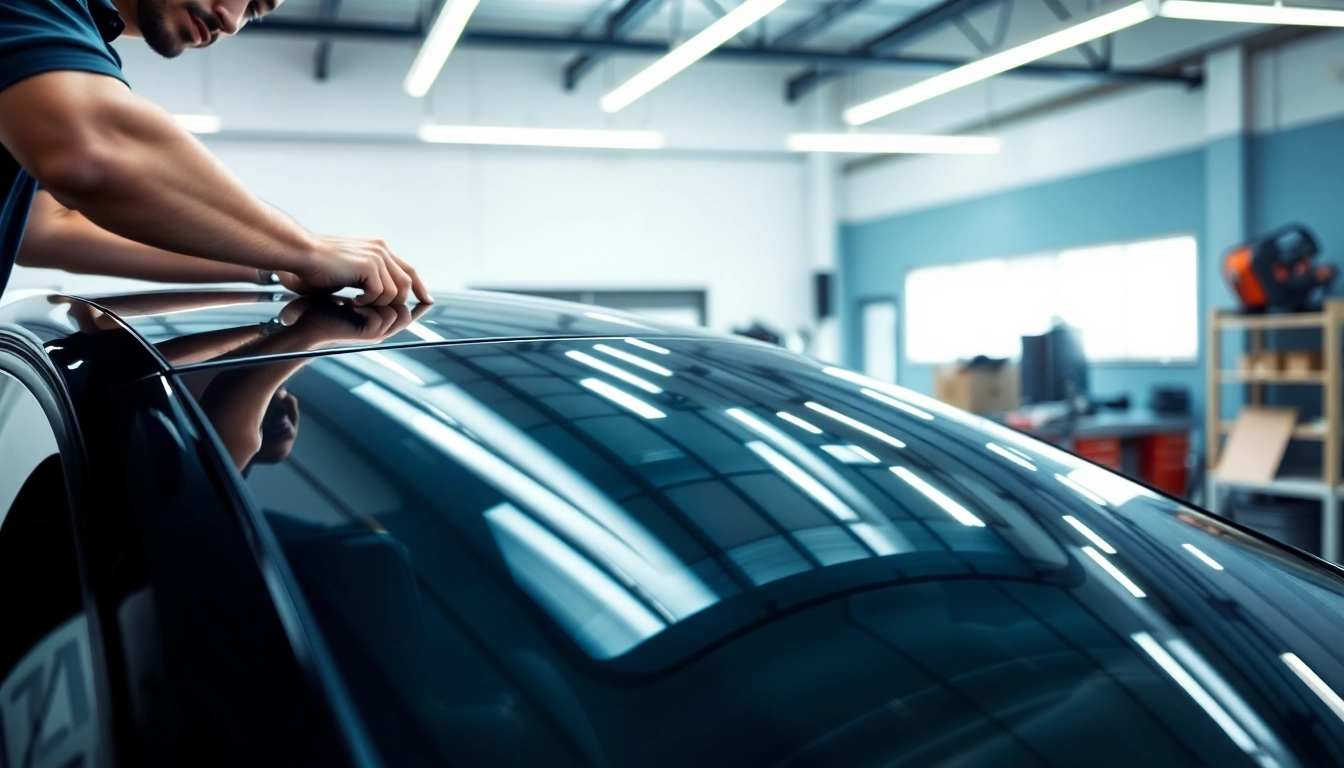
While DIY tint kits are available on the market, achieving a professional finish can be particularly challenging for those without prior experience. Professional installers have the tools, expertise, and access to higher-quality materials that DIY kits may lack. Choosing a professional service can also provide warranties that may not be available for self-installed options. However, if you are inclined to take on a DIY project, research installation techniques and prepare the necessary tools to minimize errors.
Auto Window Tinting Installation Process
Preparation for Tinting
Successful installation begins with thorough preparation. Ensure that the windows are clean and free from any debris or residues. A clean workspace and environment are vital for the adhesion of the film. Remove any window treatments or accessories that may obstruct the installation process. It’s also helpful to choose a temperature-controlled space when applying the tint to avoid issues related to funkiness or premature adherence.
Step-by-Step Installation
The installation process can be straightforward, but requires precise techniques:
- Measure and Cut: Carefully measure your windows and cut the film accordingly, allowing for extra film to be applied around the edges for precision.
- Wet Application: Use a spray solution on both the glass and the film to assist with placement and ensure a smooth application.
- Applying the Film: Starting from one side, apply the film to the window, smoothing it out with a squeegee to eliminate any air bubbles.
- Trim the Edges: Carefully trim any excess film from the edges for a clean finish.
- Final Touches: Inspect the installation for any bubbles or imperfections, and make necessary adjustments.
Post-Installation Care
Once the film has been applied, it is essential to allow it time to cure properly. This period can vary, but it is generally advisable to avoid rolling down windows or cleaning them for at least a week. Be mindful to use gentle cleaning techniques when maintaining the tint; avoid ammonia-based cleaners, as they can degrade the film. Instead, opt for soap and water or products specifically designed for tinted windows.
Maintaining Your Window Tint
Cleaning Tips for Tinted Windows
Maintaining tinted windows helps prolong their lifespan and appearance. Use soft, lint-free cloths or microfiber towels for cleaning. When cleaning your tinted windows, remember to use circular motions to avoid streaking. As mentioned, ammonia-free cleaning solutions are the safest option. Cleaning your windows regularly will prevent dirt buildup that can disrupt visibility and aesthetics.
Signs Your Tint Needs Replacement
Over time, even the best window tints can wear out, losing their effectiveness or appeal. Common signs that your tint may need replacement include bubbling, fading, or peeling edges. If you notice deterioration in the tint, particularly if visibility becomes compromised, it is wise to consult a professional to discuss replacement options.
Frequently Asked Questions About Window Tinting
1. What are the benefits of auto window tinting? Auto window tinting reduces UV exposure, enhances privacy, improves aesthetics, and increases heat efficiency.
2. How long does window tinting last? Quality window tints can last 5 to 10 years, depending on maintenance and environmental factors.
3. Is window tinting legal in my area? Yes, but regulations vary. Check local laws for permissible tint levels and reflective properties.
4. Can I install window tint myself? While possible, professional installation is recommended for best results and warranty coverage.
5. Can window tinting damage my vehicle? Quality materials used by professionals minimize risks, but improper installation may cause bubbling or peeling.