
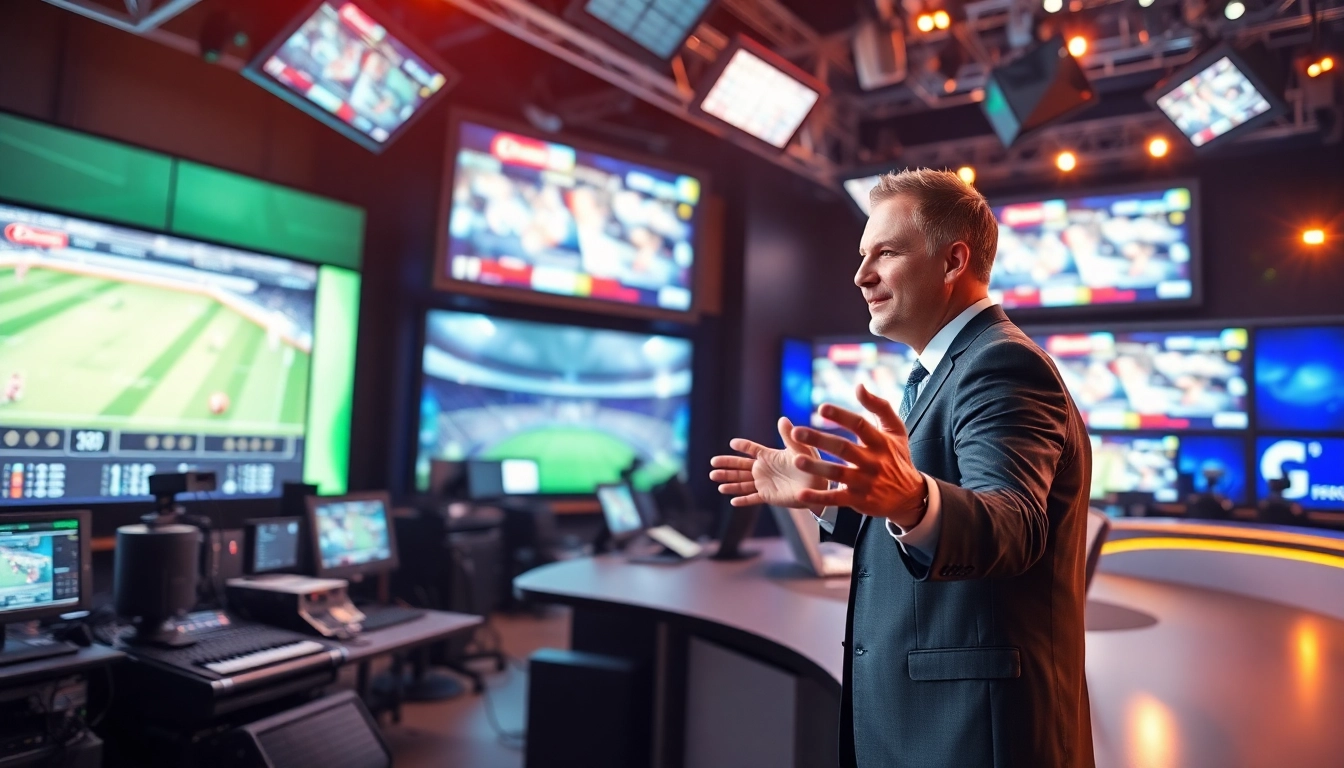
Understanding the Fundamentals of Sports Broadcasting
Sports broadcasting stands at the intersection of entertainment and information, delivering live sporting events to a global audience. The significance of this field has grown tremendously in recent decades, reflecting the increasing demand for real-time access to sports. For those aspiring to operate in this dynamic sector, it's crucial to understand the foundational elements that drive successful sports broadcasting. This encompasses the role of broadcasting in modern media, the essential tools required, and the various job functions that contribute to a seamless viewing experience. An insightful look into Sports Broadcasting reveals its multifaceted nature, which is integral to the sporting culture today.
The Role of Sports Broadcasting in Modern Media
Sports broadcasting serves a dual purpose: it entertains audiences while informing them of live events. The proliferation of digital platforms and streaming services has transformed how sports are consumed, making them more accessible than ever before. Traditional television has adapted to these changes, evolving to meet the demands of a tech-savvy audience. Throughout this evolution, sports broadcasting has managed to maintain its core role of connecting fans to their favorite teams and athletes, creating a community around shared interests.
Essential Equipment for Effective Sports Broadcasting
To deliver high-quality sports broadcasts, a combination of specialized equipment is essential. This includes:
- Cameras: Multi-angle cameras provide diverse perspectives of the action.
- Microphones: High-fidelity microphones capture clear commentary and ambient sounds.
- Mixing Consoles: Audio mixing equipment ensure balanced sound between commentary and gameplay.
- Graphics and Replay Systems: Advanced graphics software enhances viewer engagement through instant replays and stats.
- Transmission Equipment: Reliable transmission systems allow broadcasts to reach viewers without interruption.
Understanding the purpose and function of each piece of equipment is vital for anyone involved in sports broadcasting.
Key Job Roles in Sports Broadcasting
Various professions contribute to the sports broadcasting ecosystem. Key roles include:
- Commentators: Deliver live commentary, providing context and insights into the action.
- Producers: Oversee the production process, coordinating different elements to create a coherent broadcast.
- Directors: Manage camera angles and transitions, ensuring a fluid viewing experience.
- Technical Operators: Handle the equipment and technology used during broadcasts.
- Research Analysts: Provide data, statistics, and historical context to enrich commentary.
Developing Engaging Content for Sports Broadcasting
The heart of any successful broadcast lies in creating engaging content that resonates with viewers. This involves a mixture of storytelling, cutting-edge technology, and strategic relationships.
Creating a Compelling Narrative for Viewers
Effective storytelling plays a critical role in sports broadcasting. Whether it's framing a crucial match or sharing player backgrounds, narratives help viewers connect emotionally with the content. Broadcasters should strive to present not just the game itself but also the stories that make sports meaningful. Highlighting rivalries, historical contexts, and personal journeys can elevate the viewing experience, transforming it into a compelling narrative.
Incorporating Technology in Sports Broadcasting
Technology has revolutionized sports broadcasting, enabling higher quality production and interactive viewing experiences. Innovations include:
- HD and 4K Cameras: Provide stunning visual clarity, enhancing the viewer's experience.
- Augmented Reality (AR): Integrates virtual elements into the broadcast, providing richer data visualization.
- Social Media Integration: Engages viewers through real-time interaction and content sharing.
- Mobile Apps: Allow fans to access games, highlights, and exclusive content on-the-go.
Leveraging these technologies can significantly enhance engagement and viewer satisfaction.
Building Relationships with Sports Teams and Sponsors
Collaboration with sports teams and sponsors is crucial for successful broadcasting. Building strong relationships fosters trust and opens doors for exclusive content, interviews, and promotional opportunities. Broadcasters should work closely with franchises to align on messaging, schedules, and promotional efforts, ensuring a mutually beneficial partnership. Furthermore, engaging with sponsors not only boosts revenue but enhances the overall broadcast quality through shared expertise and resources.
Best Practices for Live Sports Broadcasting
Mastering live sports broadcasting requires meticulous planning and execution. Professionals in this field must be aware of best practices to manage live events effectively.
Managing Live Announcements and Commentary
During live broadcasts, managing the flow of announcements and commentary is of utmost importance. Commentators should remain informed about the game while providing insightful analysis. A cohesive commentary strategy involves preparing key talking points, focusing on critical moments, and maintaining a conversational tone that resonates with viewers. Effective communication keeps the audience engaged throughout the event.
Sustaining Viewer Engagement During Commercial Breaks
Commercial breaks present a unique challenge in maintaining audience engagement. To mitigate viewer dropout during these interruptions, broadcasters can utilize techniques such as:
- Teasers: Providing snippets of upcoming content or highlights before the break.
- Interactive Polls: Engaging viewers through questions or polls during breaks.
- Behind-the-Scenes Content: Sharing exclusive clips from the team or players that keep viewers entertained.
Implementing such strategies can ensure that viewers remain invested in the broadcast, even during pauses in the action.
Utilizing Viewer Feedback for Continuous Improvement
Feedback from viewers serves as a valuable resource for refining broadcasts. Collecting data through surveys, social media interaction, and focus groups provides critical insights into viewer preferences and concerns. This input allows broadcasters to enhance future broadcasts, tailoring content to meet the audience's expectations. Continuous improvement should be a core principle driving all broadcasting efforts.
Innovations in Sports Broadcasting Technology
The landscape of sports broadcasting is constantly evolving due to technological advancements. Staying up-to-date with these innovations is essential for broadcasters aiming to provide enhanced experiences for viewers.
Virtual Reality and Augmented Reality in Broadcasting
Virtual Reality (VR) and Augmented Reality (AR) technologies are changing the way audiences experience sports. By offering immersive experiences, these technologies allow viewers to feel as if they are inside the arena. AR can overlay statistics and game information in real-time, while VR can offer in-depth perspectives that traditional broadcasts cannot. Embracing these technologies can elevate the viewer's experience significantly.
The Impact of Social Media on Sports Broadcasting
Social media has dramatically influenced the landscape of sports broadcasting. Platforms like Twitter, Instagram, and Facebook enable real-time updates and interactions with viewers. Broadcasters can share highlights, behind-the-scenes footage, and engage fans through live discussions. Furthermore, social media acts as a feedback loop, providing insights into viewer sentiment and preferences, which can be leveraged to inform content strategy.
Data Analytics for Enhancing Viewer Experience
Data analytics plays a vital role in enhancing the viewer experience in sports broadcasting. Analyzing viewer metrics, such as engagement rates, peak viewing times, and demographic trends can provide broadcasters with critical information. This data allows for targeted marketing efforts, tailored content delivery, and optimized scheduling. By leveraging analytics, broadcasters can ensure they meet and exceed viewer expectations consistently.
Measuring Success in Sports Broadcasting
Success in sports broadcasting can be elusive if not measured accurately. Establishing key performance indicators and metrics is essential for assessing audience engagement and improving content delivery.
Key Performance Metrics to Track
Broadcasters must track various metrics to determine the effectiveness of their strategies. Important metrics include:
- Viewership Ratings: Measures the number of viewers watching the broadcast.
- Audience Retention: Analyzes how well the broadcast maintains viewers throughout its duration.
- Social Media Engagement: Examines interactions on social media platforms related to the broadcast.
- Advertising Revenue: Tracks financial success through advertising investment.
Regularly evaluating these metrics helps broadcasters make informed decisions on future content and strategies.
Strategies to Increase Audience Reach
Expanding audience reach is a critical goal for any sports broadcasting entity. Effective strategies include:
- Diverse Programming: Offering a variety of sports and programming to attract different viewer segments.
- Partnering with Influencers: Collaborating with trusted figures on social media to reach new audiences.
- Localized Content: Providing localized coverage and analysis to engage regional audiences.
These strategies increase visibility and broaden the audience base significantly.
Evaluating Viewer Engagement and Retention
Understanding viewer engagement and retention is pivotal for long-term success. Regularly assessing viewer feedback and behaviors can help broadcast teams identify trends that impact retention. By being proactive and responsive to viewer interests, broadcasters can cultivate a loyal audience base. Engaging with viewers through polls, chats, and feedback can foster a fruitful relationship that encourages return viewership.
Frequently Asked Questions
What is sports broadcasting?
Sports broadcasting refers to the live transmission of sporting events, including commentary, analysis, and visual content, to viewers via various media platforms.
What equipment is essential for sports broadcasting?
Essential equipment includes cameras, microphones, mixing consoles, graphics systems, and transmission tools for effective sports broadcasts.
How can I improve viewer engagement during broadcasts?
Improving engagement can be achieved by utilizing technology, interacting through social media, and providing compelling narratives and immersive experiences.
What metrics should I track for broadcasting success?
Key metrics include viewership ratings, audience retention rates, social media engagement, and advertising revenue to evaluate broadcast performance.
How does technology influence sports broadcasting?
Technology enhances the viewing experience through high-definition visuals, data integration, real-time analytics, and interactive features that engage viewers more deeply.