The Evolution of Peluquería: Trends Over the Years
Over the decades, the world of peluquería has undergone remarkable transformations, influenced by cultural shifts, technological advancements, and changing consumer preferences. From the early establishments focused solely on haircuts to today’s vibrant salons offering an array of beauty treatments, the evolution of hair salons reflects broader societal trends and values. As we explore this journey, we will delve into the historical backdrop, the aesthetics of hair styling, and the current trends that shape the industry.
Historical Overview of Hair Salons
The concept of a peluquería dates back centuries, with origins linked to ancient civilizations where grooming was a sign of status and beauty. In the early 20th century, barbershops and beauty salons began to emerge more formally, providing haircuts and grooming services primarily to men and women respectively. Post-World War II saw an explosion of creativity in hair design, with styles like the bob and the pompadour capturing the public’s imagination. Salons began to offer more specialized services, including coloring and texture treatments, as beauty standards evolved.
Changing Aesthetics in Hair Styling
As we moved into the late 20th and early 21st centuries, hairstyling aesthetics shifted dramatically. The emergence of subcultures during the 1960s and 1970s introduced bold, expressive hairstyles, while the 1980s brought about big hair and vibrant colors. The 1990s were marked by the rise of celebrity culture, influencing everyday hairstyles. Today, there’s a strong emphasis on individuality and personalization, as clients seek unique styles that reflect their personal brand.
Current Influences Shaping Peluquería
As we approach 2026, several factors are influencing the peluquería landscape. The rise of social media platforms has made trends more accessible, allowing styles to spread rapidly. Additionally, the wellness movement is encouraging hair salons to integrate holistic practices, such as scalp treatments and organic products. Consumers today are more informed and have higher expectations, prompting salons to innovate continuously.
Essential Elements of a Modern Peluquería
Creating a successful peluquería goes beyond offering basic haircuts. Modern salons must incorporate essential elements that enhance customer experience and satisfaction. From the design and atmosphere to the tools used, each aspect plays a critical role in ensuring that clients feel welcomed and valued.
Design and Atmosphere: Why It Matters
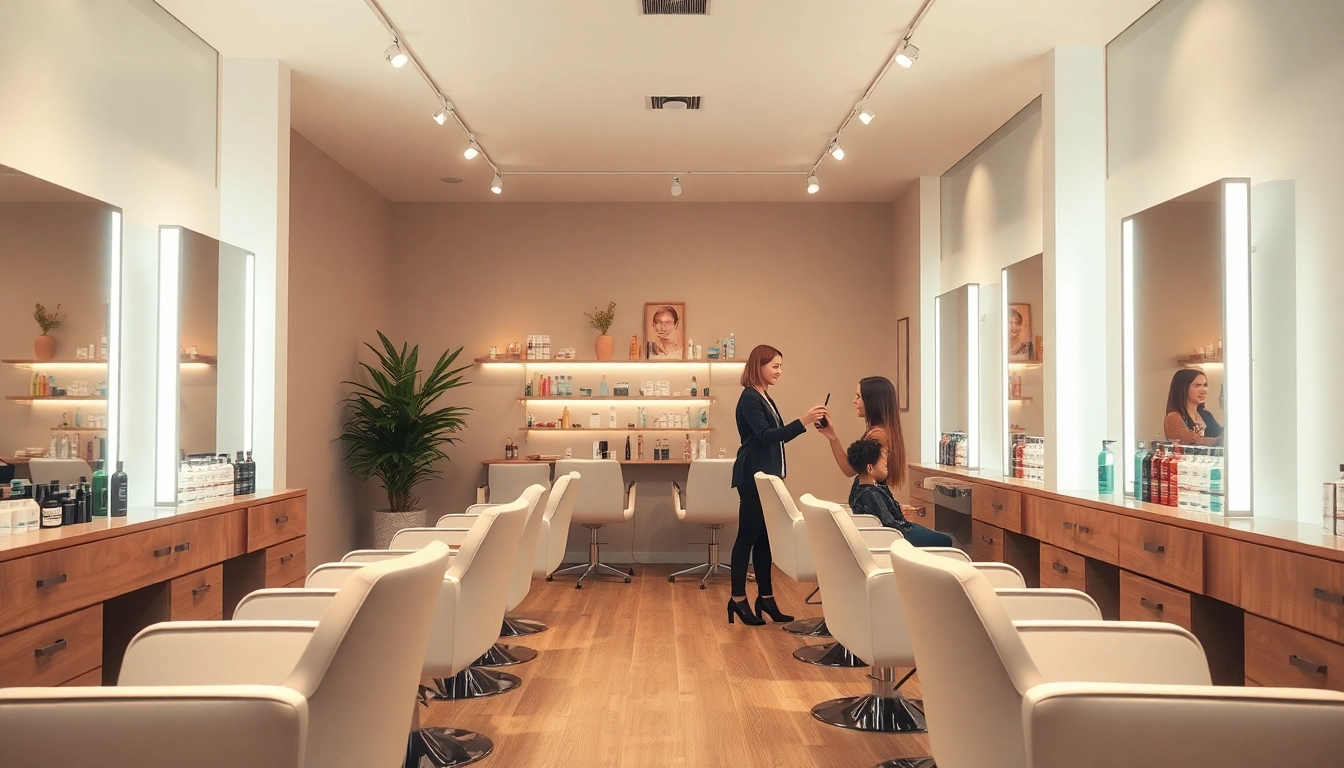
The design of a peluquería significantly impacts client perception and experience. A modern salon should evoke a sense of comfort and style, combining aesthetics with functionality. Elements such as lighting, color schemes, and layout contribute to the overall atmosphere, making it inviting. For instance, many contemporary salons opt for open spaces, natural materials, and calming colors to create a relaxing environment. This trend not only attracts clients but also builds their loyalty.
Must-Have Tools and Products for Professionals
In the world of peluquería, the right tools and products can elevate service quality. Investing in high-quality scissors, clippers, and styling tools is crucial for precision and efficiency. Moreover, the choice of products, including shampoos, conditioners, and styling aids, should align with customer needs and expectations. Knowledge about diverse hair types and the latest product innovations can set a salon apart from competitors.
Technology Integration in Services
As technology continues to advance, peluquerías must embrace innovations to enhance their services. Many salons are now using appointment scheduling software, digital consultations, and social media marketing to streamline operations and improve customer engagement. Virtual reality (VR) is also beginning to play a role in providing clients with a preview of hairstyle changes, allowing them to visualize potential looks before committing.
Client Expectations: What Today’s Customers Want
Understanding client expectations is pivotal for any successful peluquería. Today’s consumers are not only looking for high-quality services but also for a personalized experience that caters to their specific needs and preferences.
The Importance of Personalized Services
Clients today highly value personalized services that cater to their unique hair textures, styles, and preferences. A successful peluquería should prioritize consultations where stylists assess the client’s hair type and discuss desired outcomes. This personalization ensures that each service feels crafted specifically for the individual, fostering a sense of connection and loyalty.
Understanding Hair Types and Treatments
Knowledge of various hair types—straight, curly, coily, and wavy—and the specific products and treatments that work best for each is essential. Tailoring services to address concerns like damage, volume, or scalp health enhances customer satisfaction. This expertise not only builds trust but also positions the salon as a go-to resource for all hair care needs.
Building Trust and Client Relationships
Establishing trust is critical in the beauty industry. Clients must feel confident in their stylist’s abilities and comfortable expressing their desires. Regular feedback and open communication channels can help strengthen these relationships. Additionally, encouraging clients to return for routine maintenance and offering loyalty programs can enhance retention and satisfaction.
Marketing Your Peluquería in 2026
As the industry evolves, so too must the marketing strategies of peluquerías. Embracing innovative marketing tactics will ensure that salons remain competitive and relevant in a saturated market.
Effective Use of Social Media
Social media platforms like Instagram and TikTok have transformed how salons market themselves. Engaging content that showcases styles, behind-the-scenes processes, and client testimonials can significantly increase visibility. Utilizing hashtags effectively and collaborating with local influencers further amplifies reach, attracting new clients and fostering community engagement.
Leveraging Online Reviews and Customer Feedback
Online reviews have become a powerful marketing tool for salons. Encouraging satisfied clients to share their experiences on platforms like Yelp and Google can improve visibility and attract new customers. Responding to feedback, whether positive or negative, demonstrates professionalism and commitment to improvement, which can significantly influence potential clients’ decisions.
Creative Promotions and Offers
Offering unique promotions, such as seasonal discounts or referral incentives, can draw new clientele and encourage repeat visits. Creative marketing strategies, including themed services or collaborations with local businesses, can keep the salon fresh in clients’ minds and create buzz around the brand.
Future of Peluquería: Innovations on the Horizon
The future of peluquería looks promising, with numerous innovations set to shape the industry. Salons that adapt to these changes will not only survive but thrive in the coming years.
Sustainability Practices in Hair Salons
As sustainability becomes increasingly crucial across industries, peluquerías must adopt eco-friendly practices. This includes using biodegradable products, energy-efficient appliances, and sustainable sourcing of materials. Salons that prioritize environmental responsibility will appeal to a growing demographic of eco-conscious consumers.
Emerging Hair Care Technologies
The integration of technology in hair care is set to increase, with advancements in AI and machine learning beginning to influence personalized treatments and product recommendations. Technology that enables on-demand services or subscription models for products could revolutionize the way clients interact with their salons.
Predictions for Peluquería Trends in the Next Decade
Looking forward, we can expect trends such as gender-neutral salons and customizable at-home kits to gain popularity. Furthermore, the focus on mental wellness within hairstyling will likely intensify, with salons becoming safe spaces for holistic health. Adapting to these trends will be essential for salons aiming to stay ahead in a rapidly changing market.